Faculty
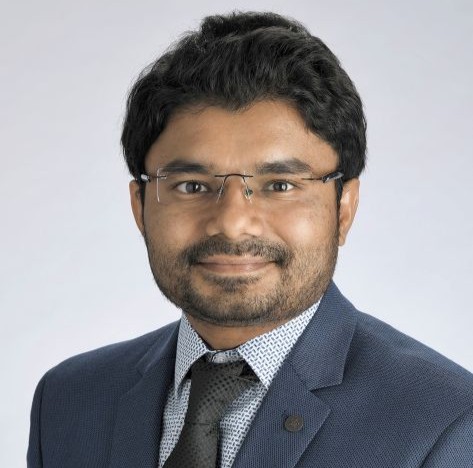
Dr. Anik Karan
Assistant Professor
Profile
Dr. Anik Karan, Ph.D., MRSC is an Assistant Professor in the Department of Bioengineering at Dr. Vishwanath D. Karad MIT-World Peace University, Pune. His research spans across multiple fields, including biomaterials science, neuroscience, cancer biology, tissue engineering and biomedical imaging. Dr. Karan previously worked as a Postdoctoral Research Associate at the Department of Surgery and Transplant at the University of Nebraska Medical Center, Omaha, Nebraska, USA and the Department of Radiation Oncology and Department of Bioengineering at the University of Kansas Medical School and University of Kansas, contributing to studies on tissue engineering related to chronic wound healing and bone regeneration. He also has more than two years of experience in the biotechnology industry under L’Oreal, USA and Cl Lab LLC, Maryland, USA. In L’Oreal, he has worked on developing sustainable natural hair dye delivery systems through clay-based nano-carriers and in Cl Lab LLC., generating defined disease models for preclinical studies in the areas of type 2 diabetes treatment and Heart Failure with Preserved Ejection Fraction (HFpEF) treatments. He has done his Master of Science and Doctor of Philosophy in Biomedical Engineering from Louisiana Tech University, Louisiana, USA, on the topic of the development of novel biodegradable metal-organic conjugates and their applications in the areas of wound healing and cancer treatments. He has published extensively in leading Q1 journals, including Acta Biomaterialia, Materials Today Bio, Aging Research Reviews, Advanced Science and ACS Applied Nanomaterials. He serves as a review editor for several reputed Q1 journals from Elsevier, ACS, RSC, Taylor & Francis, Springer Nature, BMC, Frontiers and MDPI, including RSC Advances, RSC New Journal of Chemistry, BMC Cancer, ACS Applied Biomaterials Science and Engineering, and Springer Nature Advanced Composites and Hybrid Materials. He is a full member of the American Chemical Society (ACS), USA, Royal Society of Chemistry (RSC), UK, Sigma Xi, USA and the Biomedical Engineering Society (BMES), USA. His research focuses on advanced therapeutic treatments for chronic wounds and bone defects using various combinatorial therapeutic modalities involving various synergistic biomaterials with various non-invasive treatment methods, such as electrical impulses and focused ultrasound.
Areas of expertise: Biomaterials Science, Bioinstrumentation, Tissue Engineering, Neuroscience
Educational Qualifications:
- Ph.D. in Biomedical Engineering (2020) – Louisiana Tech University, USA
- M.S. in Biomedical Engineering (2016) – Louisiana Tech University, USA
- B.Tech. in Applied Electronics and Instrumentation Engineering (2014) – West Bengal University of Technology, India
Significant Publications and Research Work:
1. The feasibility of combining focused ultrasound and copper-cystine biohybrids for diabetic wound healing. Karan, A., Samaddar, A., Adhikari, P., Karthikesh, M.S., DeCoster, M.A., & Yang, X. (2026). Ultrasound in Medicine and Biology. DOI: https://doi.org/10.1016/j.ultrasmedbio.2026.03.018
2. Decellularized Extracellular Matrix- Decorated expanded 3D nanofibrous scaffolds enhance cellular expansion and tissue regeneration. Sharma, N.S., Karan, A., Tran, H., John, J.V., Andrabi, S.M., Shahriar, S.M.S. & Xie, J. (2024). Acta Biomaterialia. actbio.2024.06.020 DOI: https://doi.org/10.1016/j.actbio.2024.06.020
3. Evolving therapeutic interventions for management and treatment of Alzheimer’s disease. Ahmad, F., Karan, A., Sharma, R., Sharma, N., Sundar, V., Jayaraj, R., Mukherjee, S., & DeCoster, M.A. (2024). Ageing Research Reviews, 102229. DOI: https://doi.org/10.1016/j.arr.2024.102229
4. Copper-cystine biohybrid-embedded nanofiber aerogels show antibacterial and angiogenic properties. Karan, A., Sharma, N., Darder, M., Muntazir, S., Shahriyar, S., Johnson, J., Luo, Z., DeCoster, M.A., Zhang, Z., & Xie, J. (2024). ACS Omega, 3c10012. DOI: https://doi.org/10.1021/acsomega.3c10012
5. Nitric oxide donors and their biological applications. Muntazir, S., Sharma, N., Karan, A., Shahriar, S., Cordon, B., Ma, B., & Xie, J. (2023). Advanced Science, 2303259. DOI: https://doi.org/10.1002/advs.202303259
6. Lawsone and Indigo-Loaded Sepiolite Nanofibers for Hair Coloring with Sustained Release. Karan, A., Rahman N., Lvov, Y., Liao, Z., Parekh, A., Rughani, R. & Muthukhrishnan, S. (2022). ACS Applied Nanomaterials, 2022. DOI: https://doi.org/10.1021/acsanm.1c03472
7. The immunomodulatory potential of copper and silver based self-assembled metal-organic biohybrids (MOBS) nanomaterials in cancer theranostics. Karan, A., Prajapati, N., Khezerlou, E. & DeCoster, M.A. (2021). Frontiers in Chemistry, 8, 1296. DOI: https://doi.org/10.3389/fchem.2020.629835
8. Cellulose Based Biomaterials Integrated with Copper-Cystine Hybrids Structures as Catalysts for Nitric Oxide Generation. Darder, M., Karan, A., Real, G.D. & DeCoster, M.A. (2019). Material Science and Engineering C, 108 (2020), 110369. DOI: https://doi.org/10.1016/j.msec.2019.110369Get rights and content
9. Self-Assembled Metal-Organic Biohybrids (MOBS) using Copper and Silver for Cell Studies. Karan, A., Karekar, N., Khejerlou, E., Prajapati, N., Pernici, C.D., Murray, T.A. & DeCoster, M.A. (2019). Nanomaterials, 9, 9, #1282. DOI: https://doi.org/10.3390/nano9091282
Google Scholar link: https://scholar.google.com/citations?user=VS4cqvsAAAAJ&hl=en&oi=ao
Scopus ID: https://www.scopus.com/authid/detail.uri?authorId=57189455992
LinkedIn: https://www.linkedin.com/in/anikkaran/


 admissions@mitwpu.edu.in