Events
Shaping the Future of Architectural Education: Inaugural Conference at MIT-WPU
Sep 12, 2026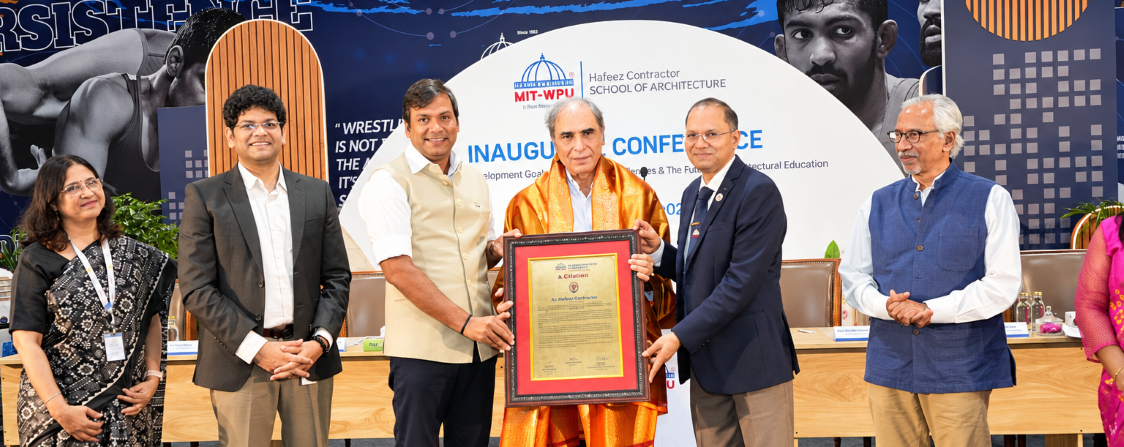
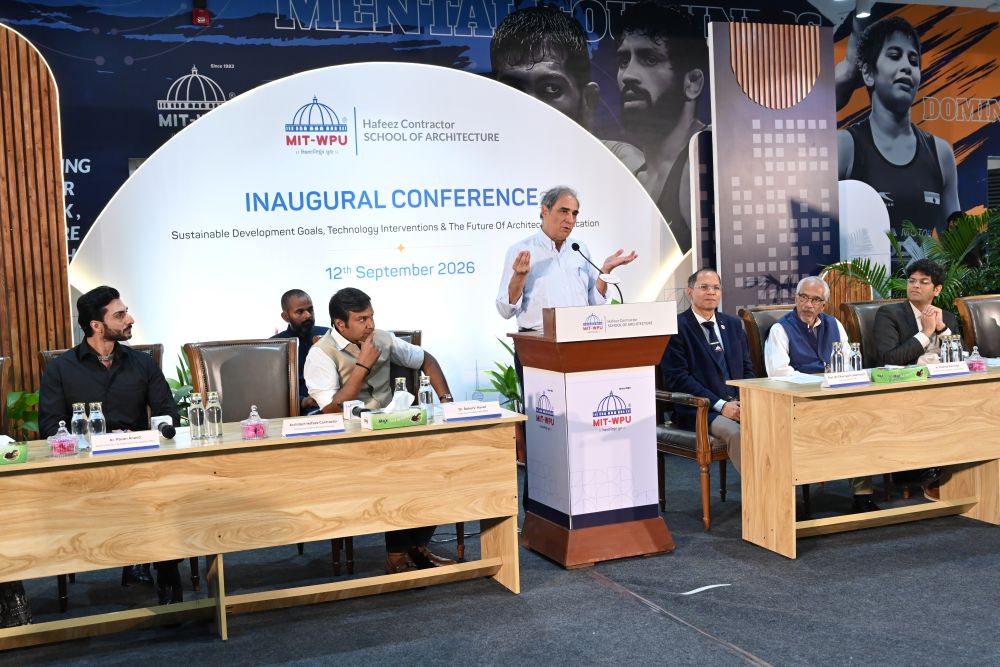
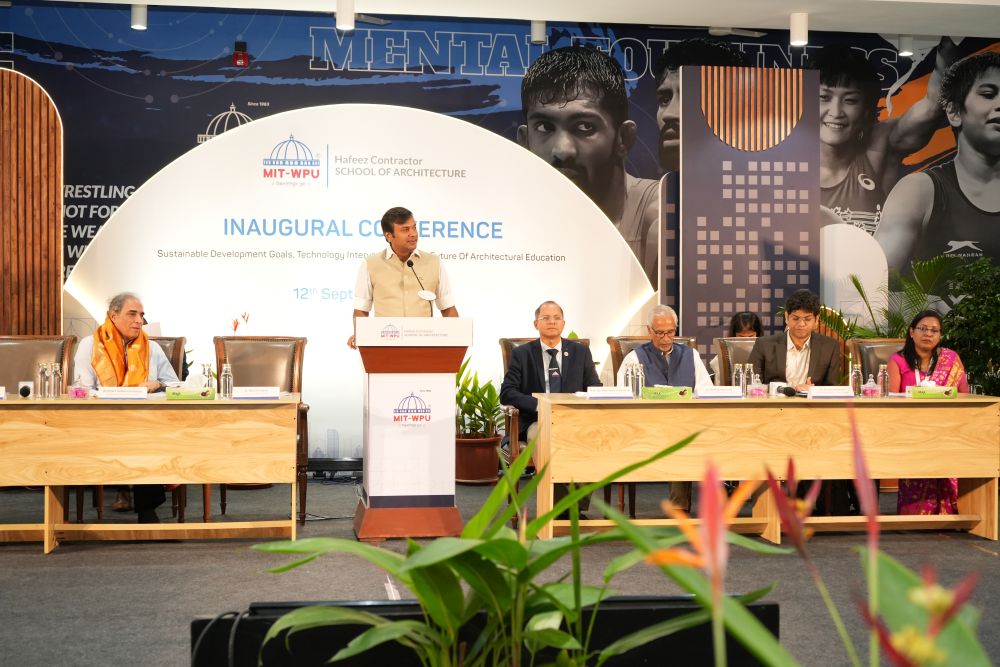
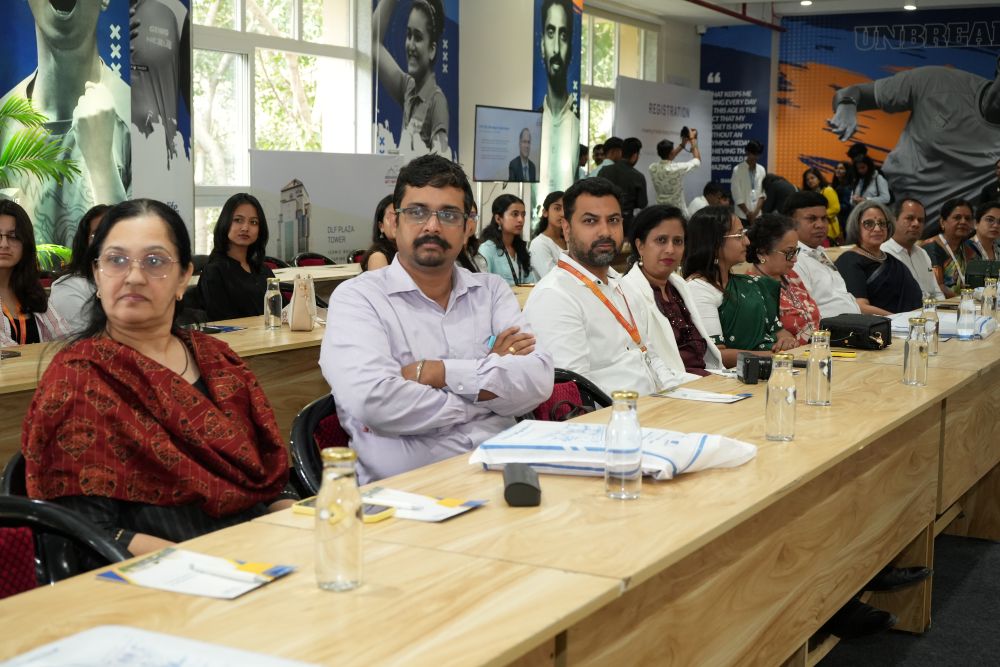
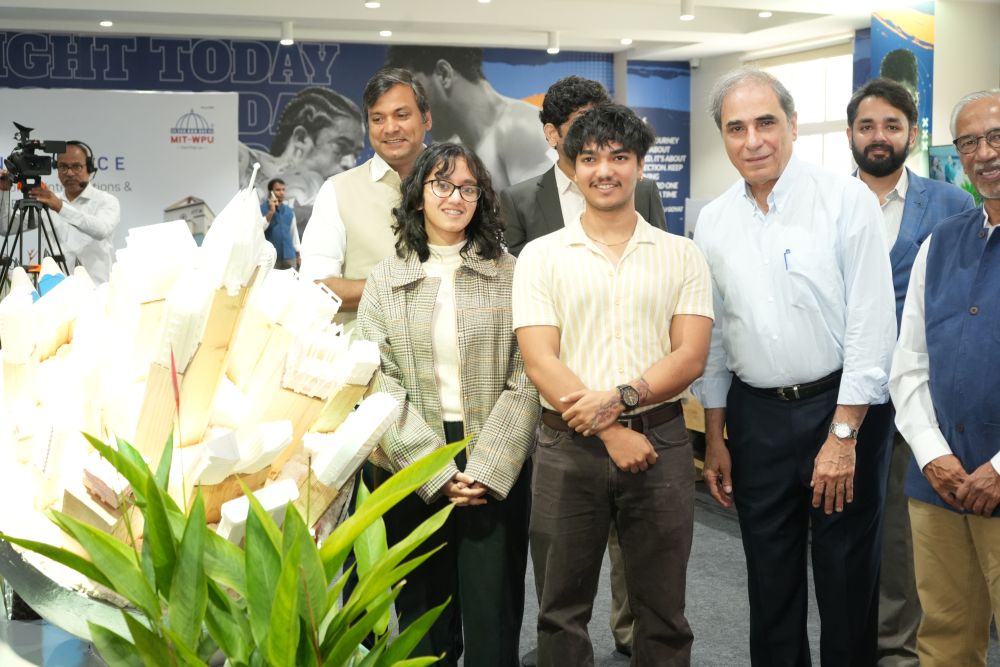
MIT World Peace University (MIT-WPU), Pune, hosted the inaugural conference of the Hafeez Contractor School of Architecture, bringing together leading voices from architecture, design, industry and academia to discuss how architectural education must evolve in response to rapidly changing cities, sustainability challenges and emerging technologies such as artificial intelligence.
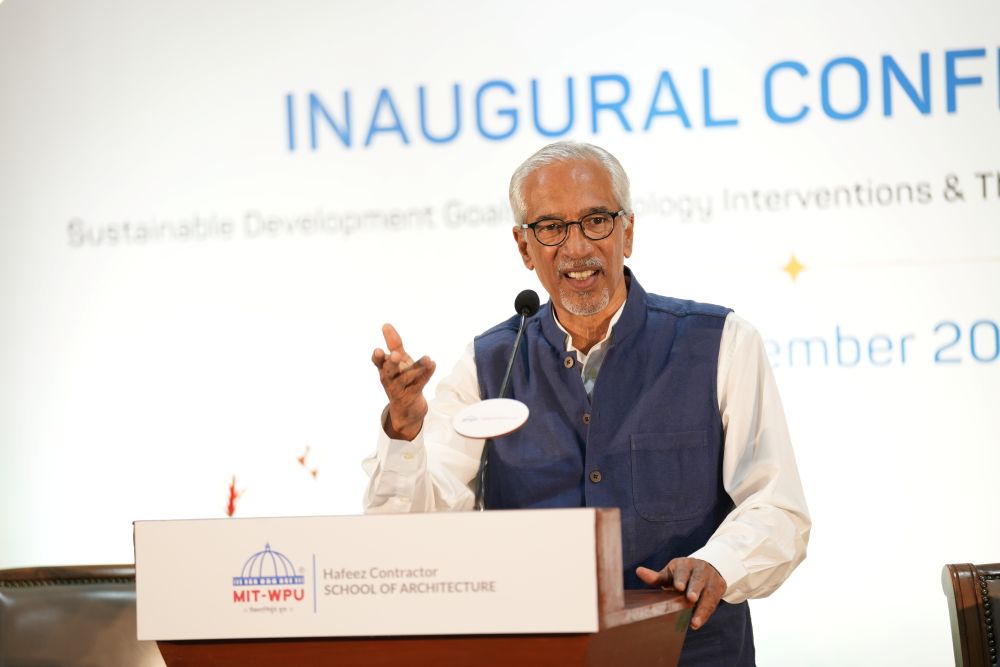
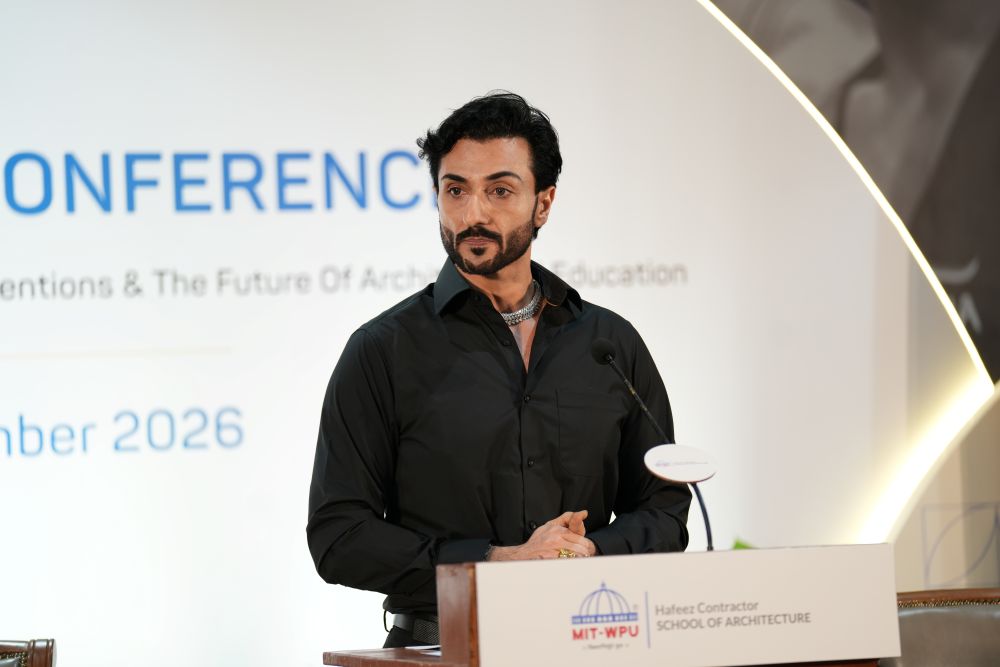
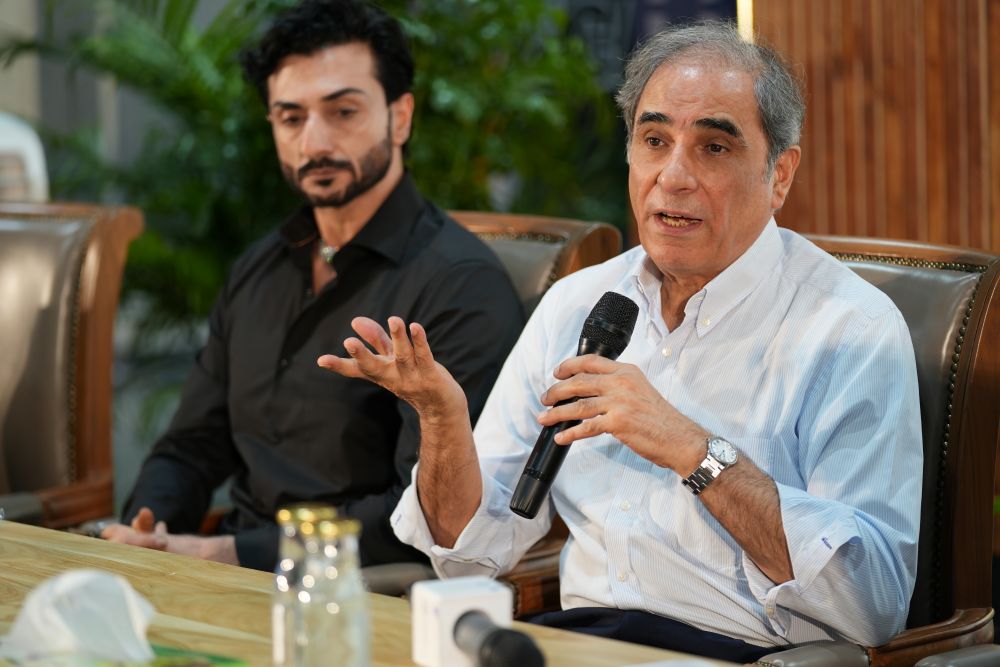
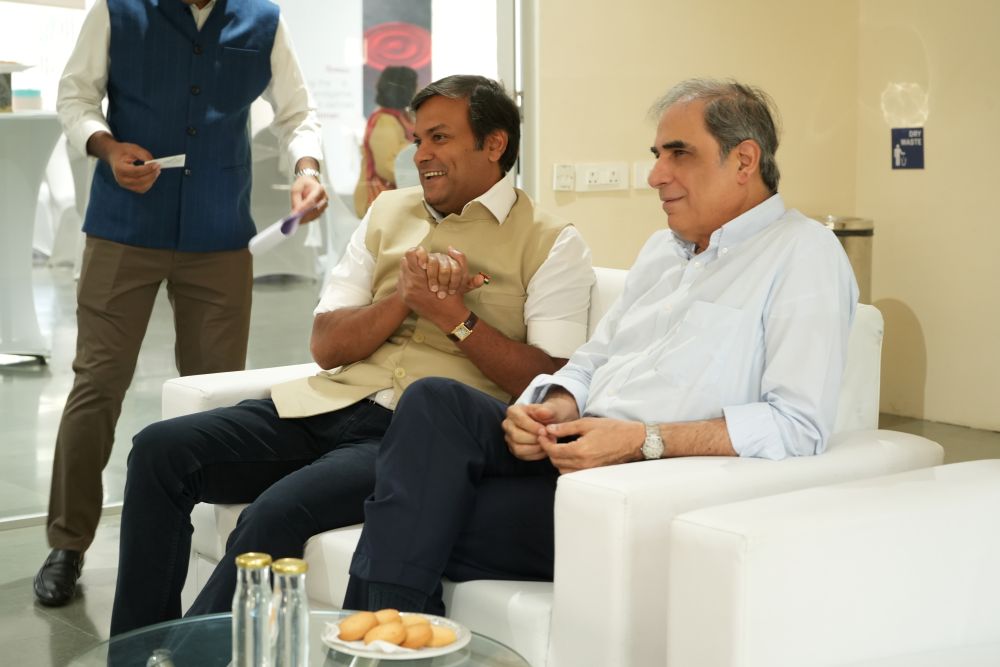
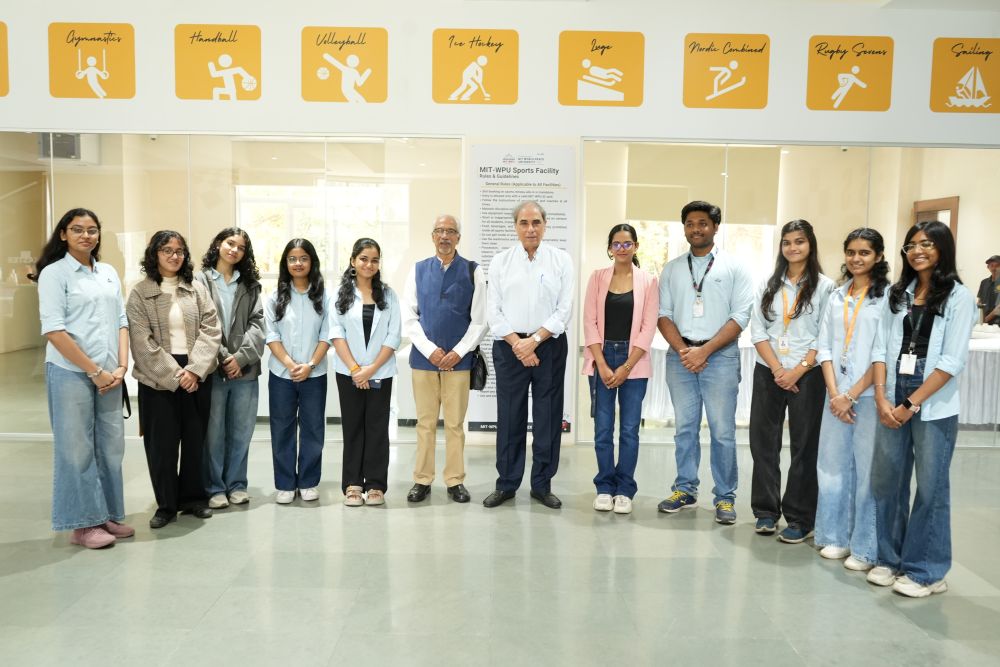
The conference featured Padma Bhushan awardee Architect Hafeez Contractor as the Chief Guest, along with Pavan Anand, Architect & Fine Jeweller, PAFJ, and Pushkar Kanvinde, Architect & Urban Designer, as Guests of Honour. The event brought together MIT-WPU leadership, faculty members, students and invited guests for discussions connecting academic learning with professional practice.
Speaking at the conference, Architect Hafeez Contractor highlighted the responsibility that comes with being associated with an architectural institution carrying his name. He emphasised the importance of students understanding the fundamental principles of architecture while developing ideas that respond to the challenges of growing cities. He called for new approaches to construction and urban planning, including thinking about cities in three dimensions and exploring ways to accommodate growth without compromising forests, farmland and wetlands. He also encouraged the School to focus on new and emerging ideas that can shape the future of cities.
The event was further distinguished by the presence of Dr. Rahul V. Karad, Executive President, MIT-WPU, and Prof. Dr. Raviraja N. Seetharam, Vice Chancellor, MIT-WPU, Pune, whose presence underscored the University’s commitment to advancing architectural education and preparing students for the future. Dr. Rahul V. Karad spoke about the responsibility associated with the School’s association with Architect Hafeez Contractor and emphasised the need for academia and industry to work together as technology and artificial intelligence continue to transform the way students learn, design and work.
Sharing his perspective on creativity and interdisciplinary learning, Pavan Anand spoke about architecture as both a canvas for creativity and an experience shaped by how people feel and relate to a space. Drawing from his own transition from architecture to jewellery design, he encouraged students to identify their individual sensibility, skills and talents and remain open to taking their creative practice in different directions.
Architect Pushkar Kanvinde emphasised that architectural education extends beyond the formal degree. He encouraged students to learn through experiences, experimentation and interactions with people, highlighting the importance of becoming lifelong learners. He also noted that as AI emerges as a disruptive technology, students must look beyond the technology itself and continue to nurture the creativity that forms the foundation of good architectural practice.
Exploring Sustainability and Technology in Architectural Education
The conference featured two key round-table discussions addressing the evolving landscape of architectural education.
The first round-table, ‘Sustainability (SDGs) and the Future of Architectural Education,’ examined the need to integrate sustainability and the Sustainable Development Goals into architectural learning. The discussion focused on preparing future architects to respond to the changing needs and challenges of the built environment.
The second round-table, ‘Technology Interventions and Preparing B.Arch. Students for Being Practice and Future Ready,’ explored the growing role of technology in architecture and the need to equip students with skills that enable a smoother transition from academic learning to professional practice. Both sessions featured interactive discussions and Q&A sessions, giving students the opportunity to engage directly with the participating experts. The inaugural conference created a platform for meaningful dialogue between academia and professional practice, bringing together diverse perspectives on the future of architectural education. The discussions highlighted the need for architecture education to remain responsive to emerging technologies, sustainability priorities and the evolving realities of the profession, while continuing to foster creativity, experimentation and purposeful design.


 admissions@mitwpu.edu.in