Events
MIT-WPU Celebrates Sanskrit Diwas 2026, Highlighting the Enduring Relevance of Sanskrit and Indian Knowledge Systems
Aug 31, 2026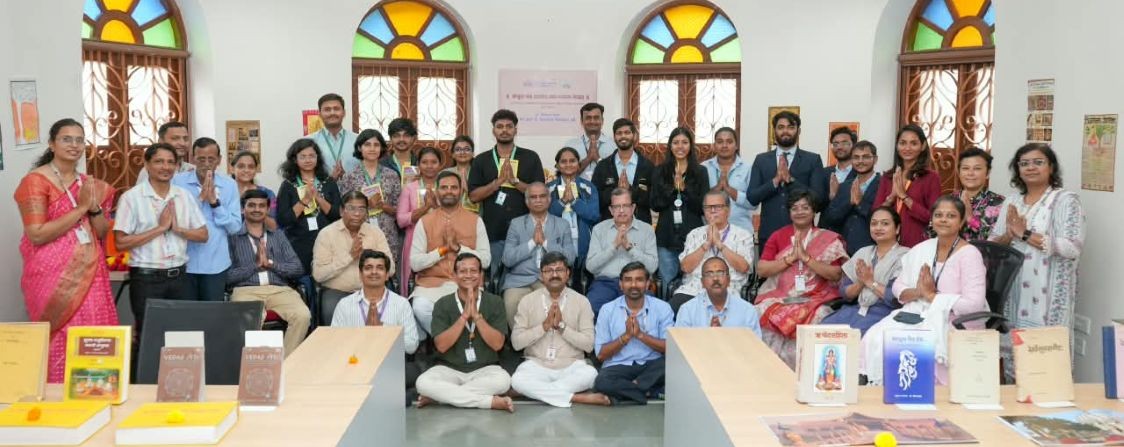
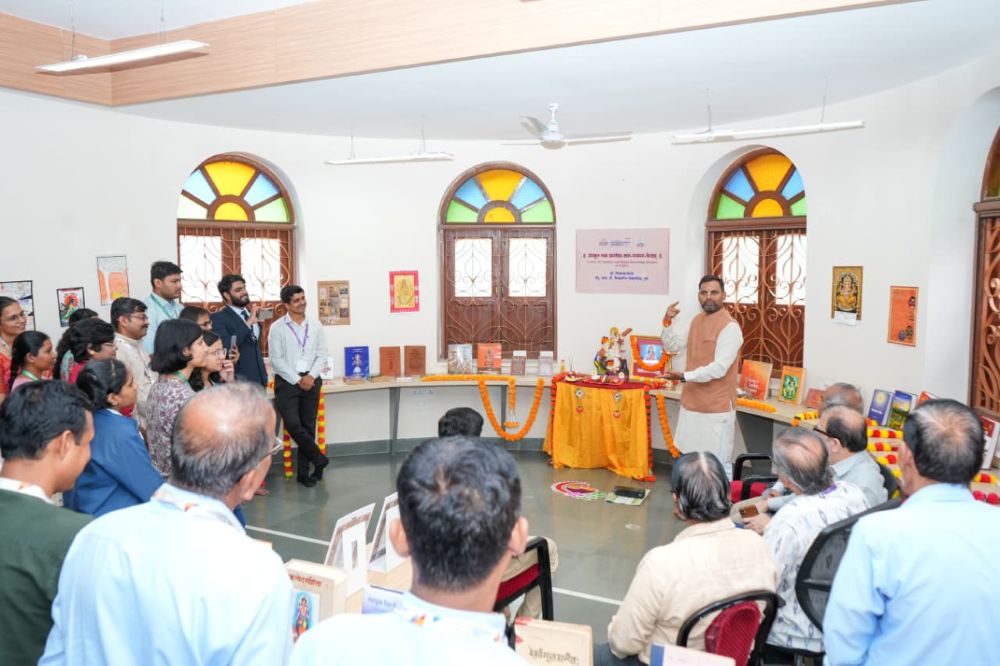
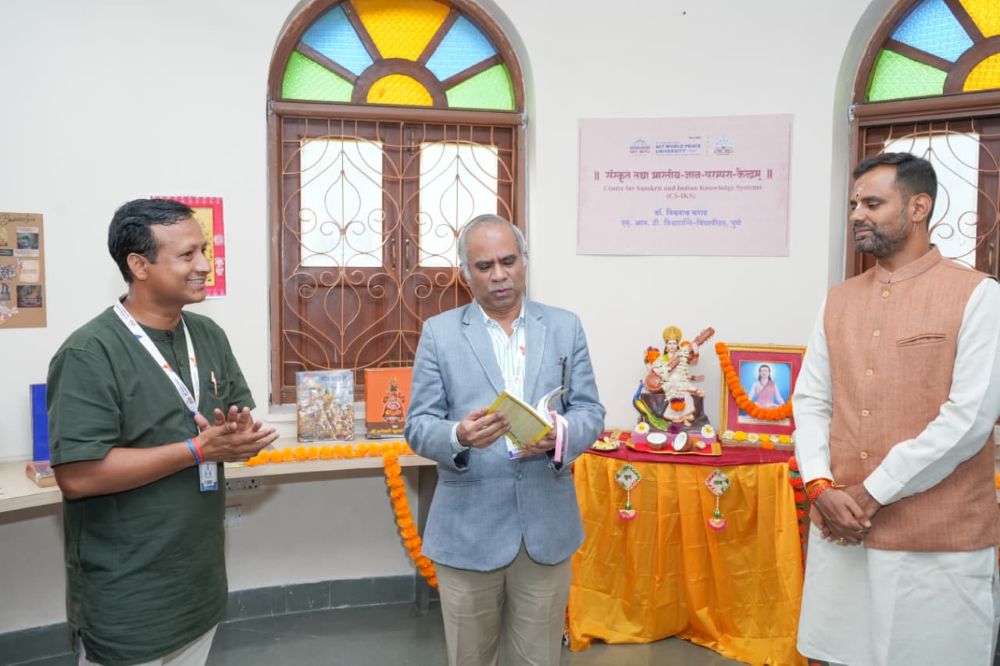
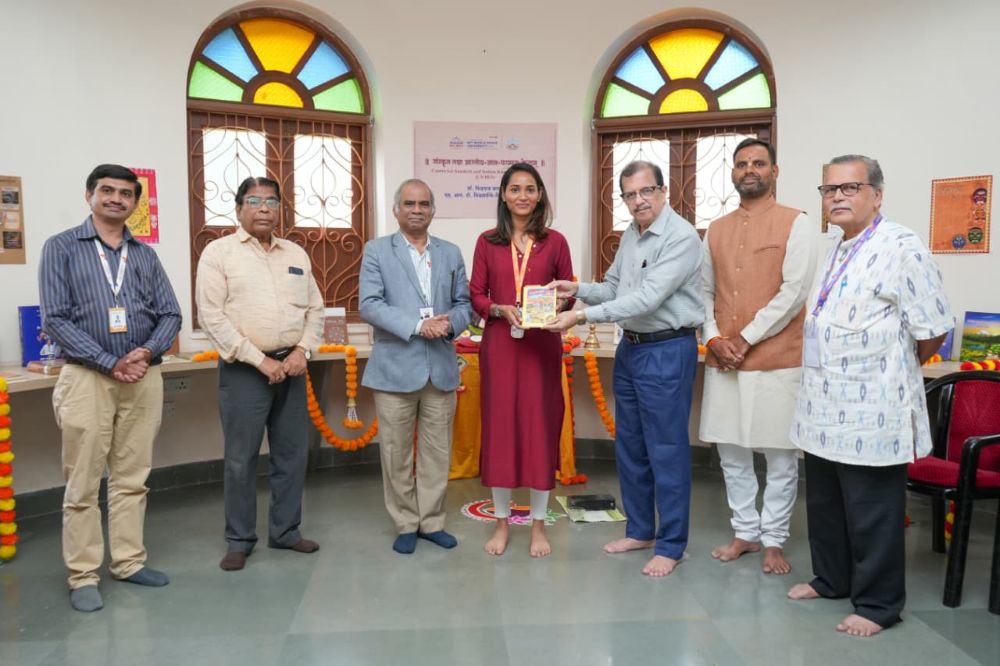
The Centre for Sanskrit and Indian Knowledge Systems (CS-IKS), MIT World Peace University, Pune, celebrated Sanskrit Diwas 2026 on 27 August 2026 at the CS-IKS Centre, World Peace Library, Saint Dnyaneshwara Building. The celebration brought together faculty members, students and staff to reflect on the enduring significance of Sanskrit and its contribution to India's intellectual, cultural and knowledge traditions.
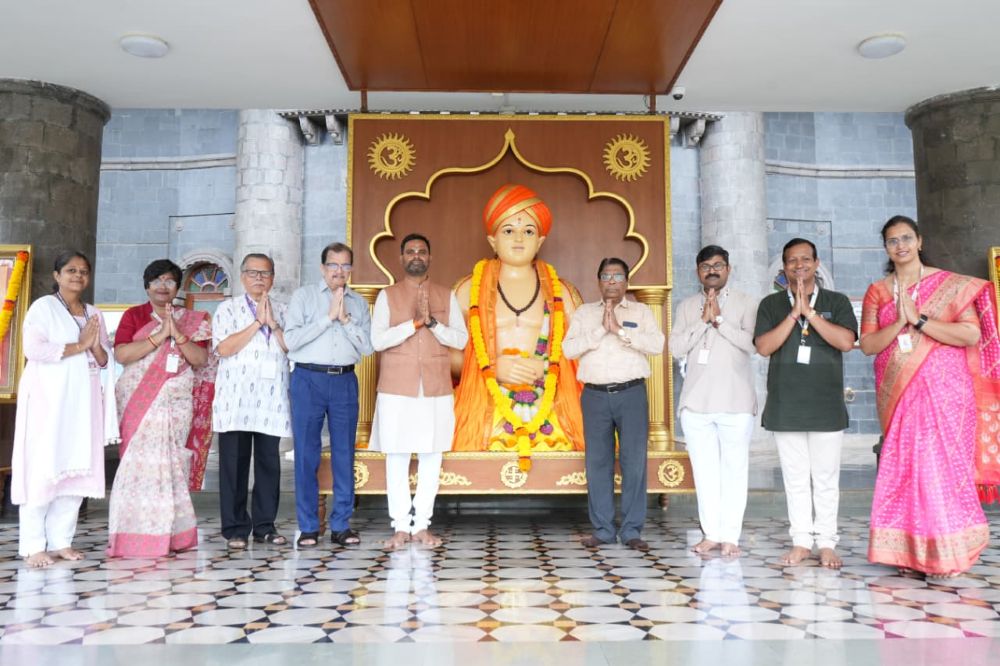
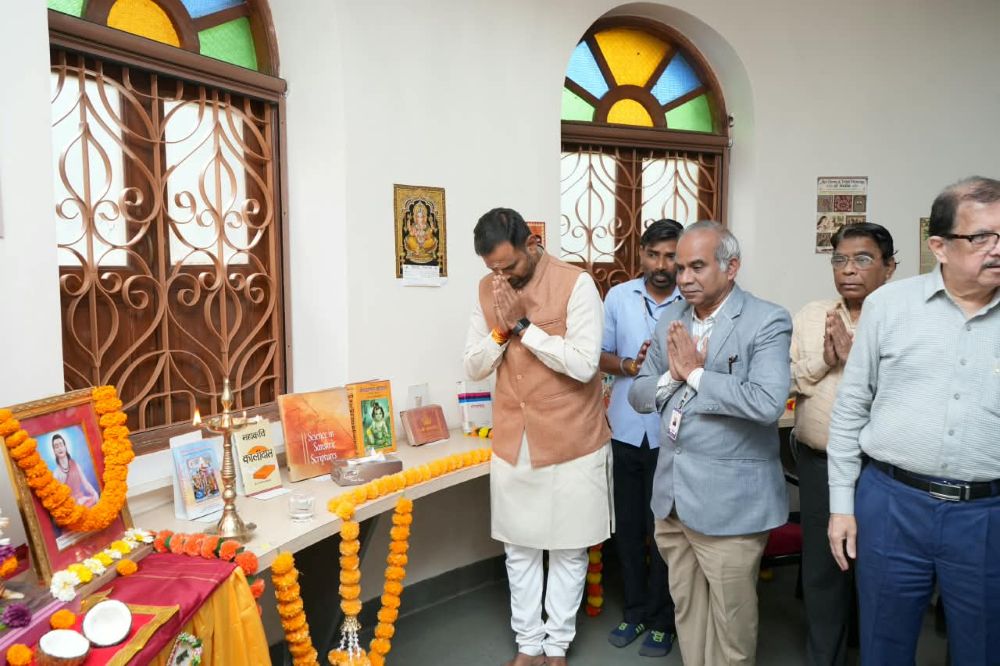
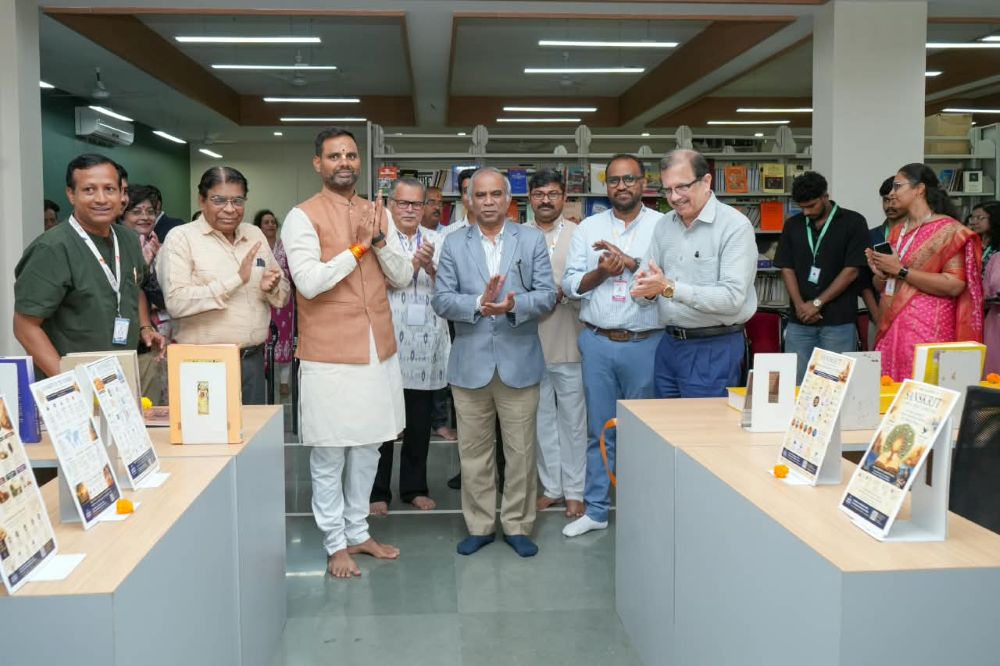
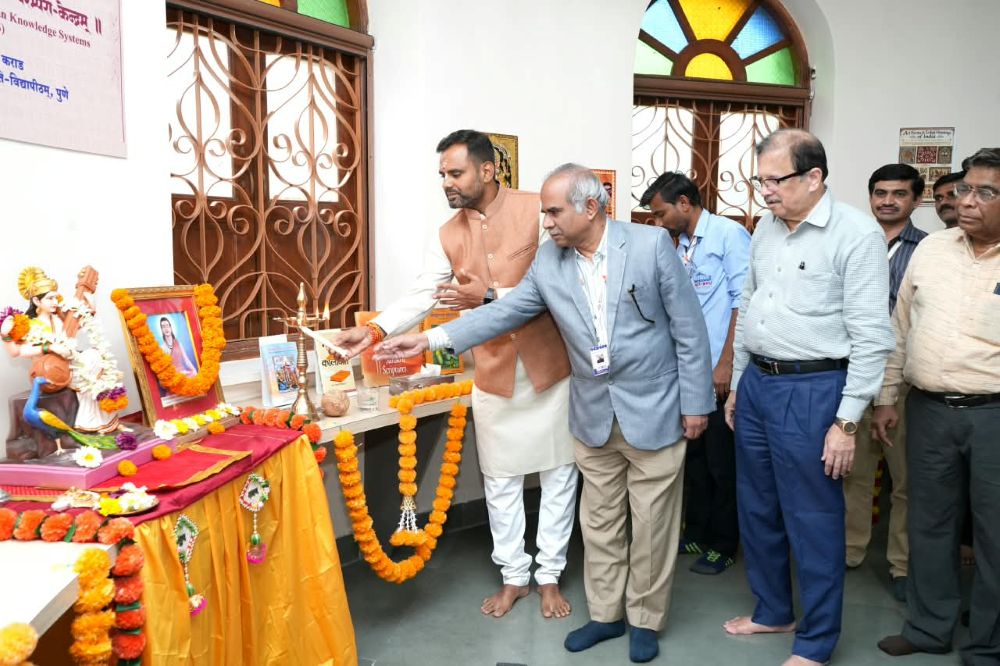
The programme was formally inaugurated by Prof. Datta Dandge, Officiating Vice Chancellor, MIT-WPU, in the esteemed presence of Dr. Sanjay Upadhye, Senior Advisor, MIT-WPU, and other distinguished members of the University. Dr. Dinesh Rasal, Associate Professor, Department of Sanskrit and Prakrit Languages, Savitribai Phule Pune University, graced the occasion as the Chief Guest.
The celebration highlighted Sanskrit as more than a classical language, presenting it as an important medium through which India's philosophical, scientific, literary, linguistic, aesthetic, ethical and spiritual traditions have been preserved and transmitted. The programme also explored the relevance of Sanskrit within the contemporary Indian Knowledge Systems (IKS) framework and its potential to foster interdisciplinary inquiry.
Addressing the gathering, Prof. Datta Dandge congratulated the CS-IKS team for organising the initiative and emphasised the deep connection between Sanskrit and India's cultural and knowledge heritage. He also appreciated the enthusiastic participation of students, particularly their confident chanting of Sanskrit mantras, and highlighted the importance of connecting younger generations with India's knowledge traditions.
Dr. Dinesh Rasal spoke about the need to reconnect contemporary society with Sanskrit and its intellectual heritage. He emphasised that Sanskrit should not be viewed solely as a language of ancient texts, but as a living tradition that continues to hold relevance in the present.
Adding a contemporary perspective, Dr. Sanjay Upadhye highlighted opportunities for interdisciplinary research connecting Sanskrit with areas such as computer science, artificial intelligence, linguistics and cognitive studies. He encouraged students and faculty to explore new research questions at the intersection of India's knowledge traditions and emerging fields of study.
Exploring Sanskrit Through Textual Heritage
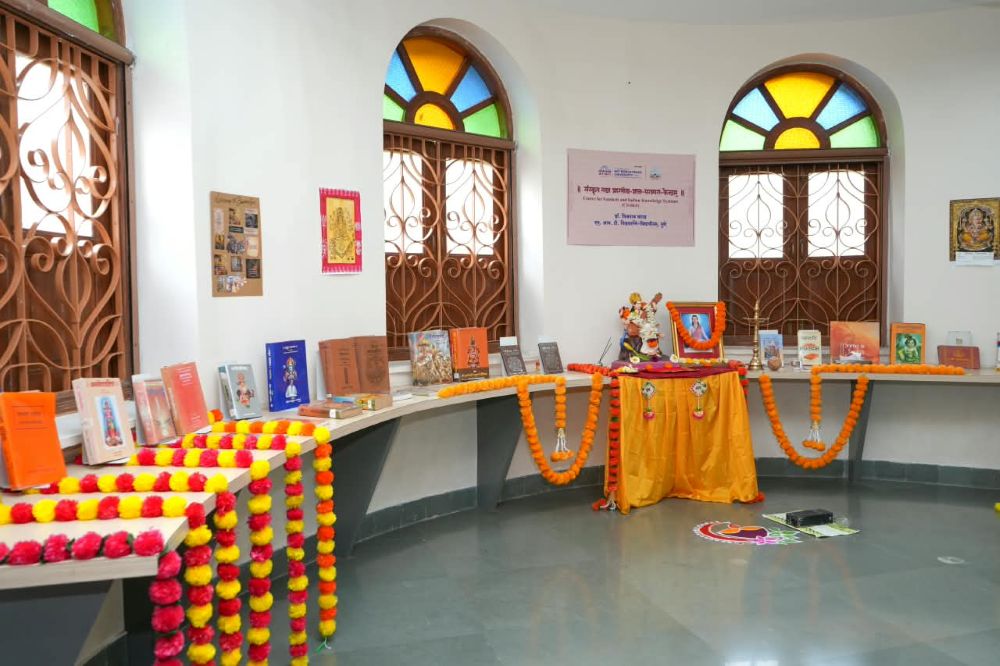
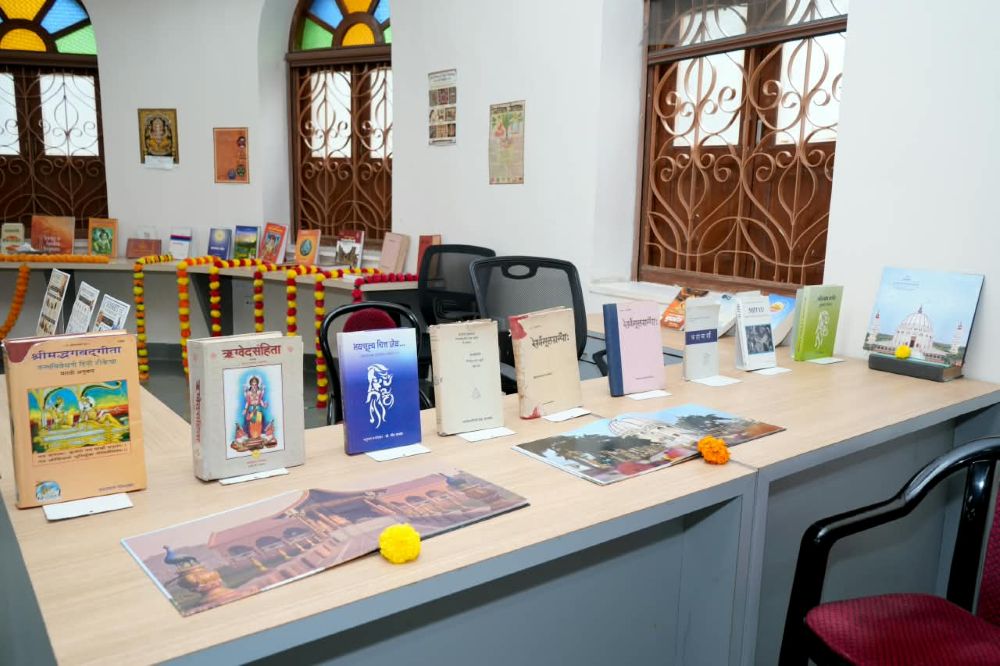
A key attraction of the celebration was an exhibition of significant Sanskrit books at the World Peace Library. The exhibition offered participants an opportunity to engage with Sanskrit's rich textual heritage and gain a deeper appreciation of the diverse knowledge traditions preserved through these works. The celebration reinforced the vision of CS-IKS at MIT-WPU to promote systematic, interdisciplinary and academically grounded engagement with Sanskrit and Indian Knowledge Systems. By bringing together scholarly dialogue, textual resources and community participation, the initiative contributed to creating a vibrant ecosystem for learning, research and the dissemination of Indian knowledge traditions.
The Sanskrit Diwas celebration concluded with a renewed commitment to nurturing Sanskrit learning, textual engagement, interdisciplinary research and knowledge dialogue at MIT-WPU.
संस्कृतं न केवला भाषा, अपि तु ज्ञानपरम्परायाः सेतुः।
Sanskrit is not merely a language; it is a living bridge to a profound tradition of knowledge.


 admissions@mitwpu.edu.in