Events
A visit to Malwadi Village (Bhor)
Mar 18, 2025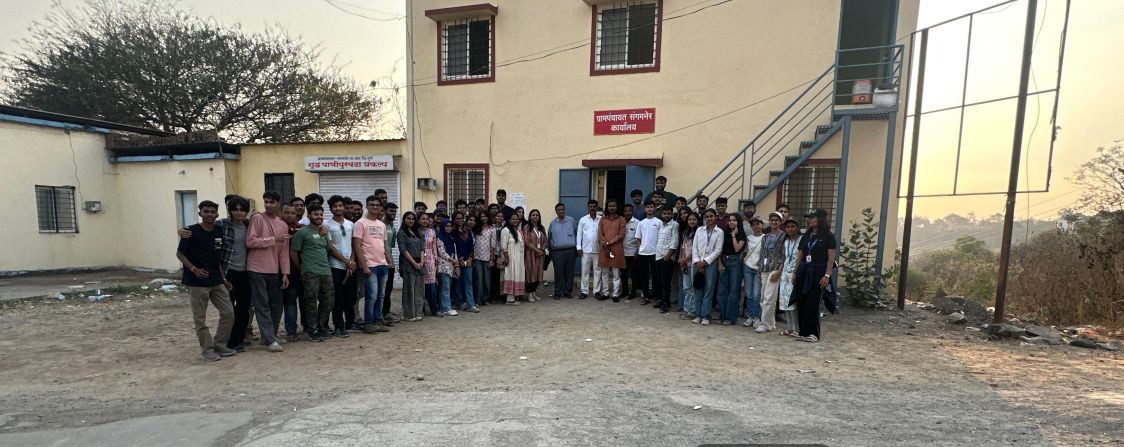
MIT-WPU provided its students with a remarkable opportunity to immerse themselves in rural life and gain first-hand insight into the challenges faced by these communities. The primary objective of this visit was to apply academic knowledge, technical skills, and innovative solutions to improve the living conditions of these people, raise awareness about modern advancements, and address local issues effectively. This experience of rural immersion extended beyond academics-it was an opportunity for experiential learning.
MIT-WPU students stayed with these local families, shared meals, and actively participated in their daily routines. This immersive approach allowed us to view problems from a resident’s perspective, cultivating empathy and a sense of social responsibility. The visit not only deepened our awareness of rural hardships but also instilled a sense of gratitude for our blessings and motivated us to make a meaningful impact in society.
For aspiring engineers and future innovators, this five-day, four-night trip to Malwadi Village, a small village near Pune, was an enlightening experience. Malwadi village is in the Bhor tehsil of Pune district in Maharashtra, India. It is located 50 kms far from Pune and is governed by a Gram Panchayat that helped the village to develop and manage the communities within. It is a small village with 736 hectares and has a population of approximately 1541 people with 810 males and 731 females as per the 2011 census. It has a sex ratio of 977 females per 1000 males. Moreover, the literacy rate of Bhor is 81.42%.
With enthusiasm and a collective commitment to progress, we embarked on this journey—determined to contribute positively while forging strong connections with our peers and the local communities. Our experience combined exploration, problem-solving, and practical application of our studies in real-time conditions.
DAY 1: Arrival of Students in the Village, Visit to Gram Panchayat & Mashal Feri
As soon as we arrived in the village, we got excited seeing the peaceful rural surroundings with fresh air and open fields. We were elated for the experience ahead which included observing the simple village lifestyle and interacting with local children who curiously gathered around us. After settling in, we received a brief introduction to village life and the activities planned, marking the beginning of an enriching journey. On Day 1, we had some insightful experiences as listed below :
Gram Panchayat Visit
On the first day of our visit, we took an educational tour of the Gram Panchayat (the local self-government body) to understand its role in rural development. The visit provided a hands-on learning experience, helping all the students grasp the importance of governance, decision-making, and community welfare programs. Upon arrival, we were welcomed by the Sarpanch(village head) and Panchayat members, who explained their responsibilities in managing village affairs. They discussed key issues with us like education, sanitation, water supply, health services, and employment schemes. We also got insights into government programs like MGNREGA, Swachh Bharat Abhiyan, and Beti Bachao Beti Padhao.
Observations and Activities
Students observed how meetings were conducted and how problems were addressed. They asked questions about local governance, budget allocation, and village development plans. Some of us even took notes or documented our experience for project work.
Impact of the Visit
The visit not only enhanced students' awareness of rural administration but also encouraged us to participate in social initiatives. It inspired young minds like us to take an interest in governance and leadership, fostering a sense of responsibility towards community development.
Mashal Feri
A Mashal Feri (torch rally across the village), led by students of MIT-WPU on Day 1, was a vibrant and energetic event that marked the beginning of an awareness campaign, a festival, or a social movement in better words. The students, holding flaming torches, walked through the main streets of the village, chanting slogans, singing motivational songs, and spreading awareness about important issues such as education, cleanliness, environmental conservation, or social reforms.
The rally created an electrifying atmosphere as villagers gathered to watch and support all of us. It symbolized unity, determination, and a call to action. The bright flames of the torch represented enlightenment and the drive to bring positive change. Elders of the village often encouraged all of us, and local leaders also addressed the gathering to emphasize the significance of the cause. This event not only instilled confidence and leadership qualities in us but also fostered a sense of community involvement, making it a powerful tradition in many rural areas.
As we marched through the village, the students passionately chanted slogans, their voices echoing through the streets with determination and energy. Their synchronized calls for change—"Shiksha sabka adhikar hai!" (Education is everyone's right) and "Swachh gaon, sundar desh!" (Clean village, beautiful nation)—ignite a sense of responsibility among the villagers. With each step, our enthusiasm grew stronger, inspiring the community to join hands in the movement and work towards a better future.
DAY 2: Interactive Session at School & Family Survey
On Day 2, we had some insightful, learning and interactive sessions with the villagers and the kids studying in the village school, as listed below:
School Activities
The main goal was to offer informative and captivating experiences customized for students of various age groups. The activities were structured to foster collaboration, fair play, physical well-being, and knowledge exchange while motivating students to chase their aspirations and maximize their potential. Additionally, the sessions stimulated curiosity about new subjects, broadened their perspective on the world, and nurtured analytical thinking abilities. Overall, the intention was to enrich the student's learning journey while cultivating a deep sense of belonging and enthusiasm for education.
Activities
- A series of engaging and interactive activities were designed for primary school students from Grades 1 to 4, to foster creativity, learning, and enjoyment.
- The sessions began with an enchanting storytelling activity featuring tales from the Mahabharata and Ramayana, where children were captivated by stories of bravery, wisdom, devotion, and righteousness, enhancing their imagination and moral understanding.
- A fun-filled math quiz challenged young minds, helping them develop problem-solving skills in a fun manner.
- The students also participated in origami, where they learned the art of paper folding, improving their fine motor skills and patience.
- The classic game "Name, Place, Animal, Thing" was played with great enthusiasm, boosting their vocabulary and memory.
- Additionally, a drawing competition allowed students to express their artistic talents, bringing out their creativity with vibrant colours.
- The event concluded with an energetic dance session, where children showcased their enthusiasm and love for rhythm and movement.
Throughout the event, we actively interacted with the students and bonded with them, engaging them in conversations, asking their names, and encouraging their participation. To motivate and appreciate their efforts, a small prize distribution ceremony was held, where the winners of various activities were rewarded. This not only boosted their confidence but also inspired them to participate more enthusiastically in future events.
Overall, these activities provided a holistic learning experience, ensuring both fun and intellectual growth while fostering teamwork, confidence, and a love for learning among the students. The excitement and happiness on the faces of these kids made our entire experience extremely fulfilling. It was a truly enjoyable and memorable visit where we not only engaged in creative activities but also connected deeply with these creative minds and learned so much from them.
Family Survey
We also conducted family surveys, where we asked a structured set of questions to family members to understand their living conditions, challenges, and daily needs. These family visits played a crucial role in understanding the living conditions, challenges, and needs of these communities at a deeper level. By directly interacting with families, we gained firsthand insights into their social, economic, and educational backgrounds, as well as their access to basic resources like electricity, water, sanitation, and transportation. This experience helped us identify areas where support and intervention can be offered, whether in terms of health, education, financial support, or overall well-being.
Additionally, family visits fostered better communication and trust between community members and organizations working towards their upliftment. We also provided an opportunity to offer guidance, suggested practical solutions, and created awareness about various government schemes and initiatives that can improve the quality of life of these villagers. Ultimately, these visits served as a bridge to understanding real-world challenges and working towards meaningful, sustainable development.
DAY 3: Shramdaan, River Survey & Cultural Engagement
On Day 3, we had the events of Shramdan and River Survey which involved helping the community with some physical labour and also guiding them to keep their resources clean and safe.
Shramdaan
Under this activity, we were given the task of doing a cleaning drive and building awareness around hygiene and the benefits of cleanliness among the villagers, especially children. We also guided them to adopt sustainable practices and take responsibility for keeping their surroundings clean.
As part of our rural immersion program in Malwadi Village (TAL. Bhor), we organized and conducted a cleaning activity aimed at promoting hygiene and environmental awareness among the villagers. Our team actively participated in cleaning the school premises and its surrounding areas, ensuring that these spaces were free from litter and debris. The focus of our activity was on removing plastic waste and other non-biodegradable materials that are harmful to the environment. By emphasizing the importance of maintaining cleanliness, we aimed at preventing diseases and contributing to a healthier, more sustainable environment for a better community.
Beyond the physical clean-up, the activity served as an opportunity to engage with the villagers, especially children, and encourage them to adopt good hygiene practices. We hoped to inspire them to take ownership of their surroundings, instilling a sense of responsibility to keep their village clean and maintain the improvements we made. Overall the initiative turned out to be a success, that not only focussed on spreading awareness about hygiene and eco-friendly practices but also taught the villagers to stay consistent with these activities for a long-term positive change.
River Survey
During the survey of the river, we assessed various aspects of the river, including its water quality, flow, and surrounding environment. On Day 3 of our Rural Immersion to Malwadi village, we visited the Bhatghar Dam. This dam is a gravity dam and is located on the Velvandi River near Bhor, in the district of Pune. It is one of the oldest dams in Maharashtra, constructed by the British and opened for use in 1927. The sheer scale of the Bhatghar Dam was immediately apparent as we visited the dam site. We also observed the vast reservoir, the dam's infrastructure, and the surrounding landscape. Further, discussions with local farmers revealed the dam's primary purpose of providing water for irrigation, in the surrounding agricultural lands.
We learned that the dam's water level directly impacted the cropping pattern and yields in Malwadi and neighbouring villages. We also observed the hydroelectric power generation plant associated with the dam. This visit provided us with valuable insights into the dam's role in local agriculture, water supply, and the broader ecosystem, and also highlighted the challenges and complexities of water resource management in a rural setting. Following this insightful visit to the dam, we also visited and observed the Velvandi River closely. This experience provided us with a valuable perspective on the downstream impact of the dam and the related water flow in this region. This first-hand observation of the river helped us understand how the dam's functioning influenced Velvandi's water level and flow, and its interconnectedness with the regional water system.
Cultural Engagement: Patnatak Dance Performance & Recitation of Shlokas from Bhagwat Gita
The cultural activities aimed to immerse the team in the local traditions of the village and deepen our connection with the community. Through the Performance of Traditional Dance forms and the Chanting of Sanskrit Shlokas, we engaged well with the villagers and connected with them on a more personal and spiritual level.
In the evening, we were invited to witness a "Pathnatya", a traditional dance form of the region that portrayed local myths, legends, and folk tales. The vibrant colours, rhythmic movements, and emotional expressions of the dancers were mesmerizing and gave us a glimpse into the soul of Malwadi’s culture, making us appreciate the village’s history and folklore even more. After the dance, the villagers, particularly the elders, gathered for a recital of Shlokas from the Bhagavad Gita. The rhythmic chanting of these ancient verses was both calming and thought-provoking. It offered a unique spiritual experience, and we felt a deep sense of connection to the values of wisdom, duty, and the pursuit of knowledge that these verses represent. Through these cultural interactions, we not only gained a better understanding of the local traditions but also felt a greater sense of belonging and respect for the community’s heritage.
Day 3 of our Rural Immersion Program in the Malwadi village, proved out to be both enriching and enlightening. Through activities like the cleaning drive, the river survey, and engaging with the local culture, we saw firsthand the intertwined relationship between the environment, community, and traditions. It was a reminder of the shared responsibility we all have in maintaining our natural resources and preserving cultural heritage. We left Malwadi with a deep sense of respect for the community’s resilience and their commitment to maintaining a harmonious relationship with their environment and traditions.
DAY 4: Field Visit & Valedictory Function
On Day 4, we attended a local farm, connected with the farmers, observed their challenges and eventually ended the day with a Valedictory Ceremony.
Field Visit
During the field visit, we got the opportunity to visit a local farm, which provided us with valuable insights into the agricultural practices and lifestyle of the villagers. During the visit, we observed a variety of crops that were cultivated in this region. The farmers shared their experiences of working with the land, the challenges they faced, such as unpredictable weather and much more. We also learned about the importance of traditional farming techniques, as well as the role of modern technology in improving yield and efficiency.
The farm visit not only deepened our understanding of rural life and agriculture but also reinforced the significance of supporting local farmers and promoting sustainable agricultural practices. This experience helped us connect with the villagers at a deeper level, and understand the value of agriculture as the main source of their livelihood.
Valedictory Function
The primary objective of the Valedictory Function was to reflect on the enriching experiences and key learnings that we gained throughout this rural immersion program. This experience provided us with an opportunity to express our heartfelt gratitude to the villagers for their warm hospitality and unwavering support throughout the program. Additionally, the function served as an occasion to acknowledge and appreciate the collective efforts of all participants, fostering a sense of accomplishment and unity between the students and the community. Moreover, the certificates of appreciation were presented to acknowledge the contribution of the villagers and participants. The function concluded with cultural performances by the village children, adding a joyful and celebratory touch to the event.
Major Observations During the Rural Immersion Programme
Problems : The major problems, faced by the villagers that we observed during this immersion programme are as follows :
1. Limited access to healthcare and delayed vaccination for children.
2. Public washrooms are unavailable or poorly maintained.
3. Unsafe streets at night due to lack of proper streetlights.
4. Inadequately maintained, and outdated pipelines lead to irregular water supply.
5. Garbage collection is conducted irregularly, leading to pollution and unhygienic surroundings.
6. Ration card-related issues made it difficult for villagers to access essential food supplies.
7. Lack of awareness about government welfare schemes like MPJAY.
8. Delayed emergency medical services, such as ambulances, are not available that often in many areas.
9. Public transport services are also insufficient, lacking availability during emergency conditions.
10. Banking and financial services are accessible in limited regions.
11. Seasonal unemployment impacts livelihoods, leaving workers jobless for some time over the year.
12. Inadequate security measures and insufficient awareness programs cause safety concerns for women and children.
13. Schools lack cleanliness and maintenance, causing health risks and difficulty during the rainy season.
14. There are no dedicated spaces for community gatherings and social interaction, leading to isolation among senior citizens.
15. Disaster management systems are poorly implemented, making people suffer during emergencies.
16. People lack access to e-governance and online services due to a lack of digital literacy.
17. Inadequate educational infrastructure, such as schools, etc. affect the learning and growth of children.
18. Lack of legal assistance for marginalized communities, leaving them vulnerable to exploitation.
19. Underdeveloped waste management systems, like garbage segregation and treatment, lead to unhygienic social and environmental issues.
Solutions : The practical solutions to the problems listed above are as follows :
1. Build and upgrade hospitals and clinics to ensure access to healthcare and timely vaccinations for children.
2. Construct new public washrooms and maintain the existing ones to improve hygiene.
3. Install street lights in dark areas to prevent crime during nighttime.
4. Upgrade water supply systems by repairing pipelines to ensure consistent availability of water.
5. Implement a systematic garbage collection system and promote waste management practices.
6. Simplify the application process for ration cards so that people do not suffer from a shortage of food or essential items.
7. Run awareness campaigns about government welfare schemes to ensure widespread participation.
8. Deploy ambulances in every region and train local volunteers in basic first-aid, for emergencies.
9. Expand public transport services, including emergency vehicles, to improve accessibility.
10. Increase access to banking services by setting up mobile banks and ATMs in remote areas.
11. Create seasonal employment opportunities through government programs and vocational training.
12. Install CCTV cameras, improve street lighting, and conduct safety awareness programs for women and children.
13. Ensure regular cleaning of schools and surroundings to prevent diseases, especially during rainy seasons.
14. Establish community centres and organize social activities for senior citizens to foster engagement.
15. Strengthen disaster management systems by conducting drills and equipping communities with emergency kits.
16. Organize digital literacy workshops to help people use technology and online services efficiently.
17. Improve educational infrastructure by building more schools and ensuring adequate resources.
18. Provide free or low-cost legal assistance for vulnerable communities to protect their rights.
19. Develop effective waste management systems, including recycling and sewage treatment, to maintain a clean environment.
Malwadi Immersion: A Bridge Built with Shared Experiences
The five-day rural immersion experience in Malwadi, Tal Bohr, Pune, was a transformative journey for all the MIT-WPU students. From the welcoming Mashal Feri to the collaborative Shramdaan, we experienced the heart of rural life. All the activities, be it engaging in school with children or family surveys, river exploration or cultural performances, enriched us in terms of practical knowledge, grass-root problem identification and implementation of the solutions and much more.
Agricultural visits to the farm and dam also deepened our understanding of the local practices and technological advances that are benefitting these villagers. Towards the end, the valedictory function, a celebration of shared experiences, reinforced our gratitude and commitment towards the community for their warmth and open mindset towards us. This immersion was not just a program; it was a bridge that was built on mutual learning. Finally, we left Malwadi with a renewed appreciation for rural resilience and community, carrying lessons that will inspire us in future as well.


 admissions@mitwpu.edu.in